
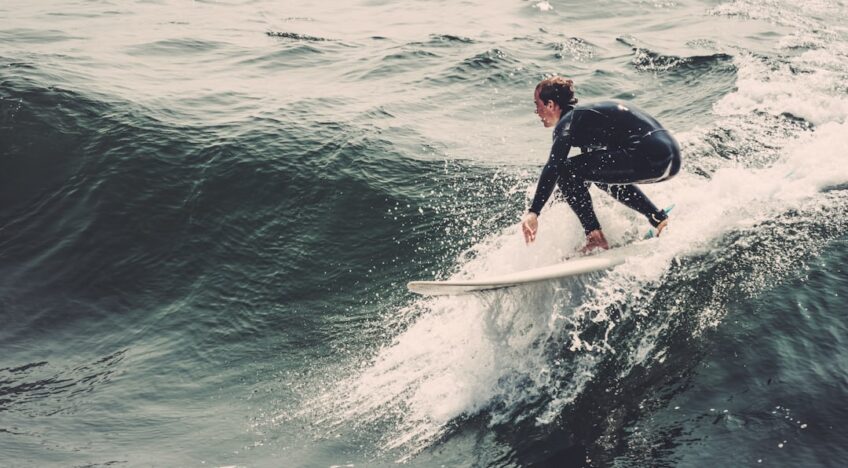
How do i surf
by adm.artemisclick- Uncategorized
- 24 maio
Learning how do i surf starts with understanding that it’s more accessible than most people think. Whether you’re a complete beginner or someone who’s always wanted to try riding waves, the fundamentals are straightforward: balance, timing, and consistent practice in the right environment. The challenge isn’t the sport itself—it’s finding the right place to learn with proper instruction, quality equipment, and the support you need to progress without frustration.
This is exactly why combining surf lessons with other activities makes sense for travel experiences. When you dedicate several days or weeks to learning, you’re not just taking random classes—you’re immersing yourself in a lifestyle where surfing becomes part of your daily routine. Training alongside other activities keeps your mind fresh, your body engaged, and your motivation high. You’re learning from professional instructors who understand progression, staying in accommodation designed for active travelers, and building connections with people who share your interests.
Florianópolis, Brazil offers ideal conditions for this: consistent waves, experienced instructors, and a welcoming community. Whether you’re spending a week, two weeks, or a month developing your skills, the structure of a dedicated program removes the guesswork and lets you focus on what matters—actually learning to surf while experiencing something genuinely transformative.
How to Surf: Step-by-Step Beginner’s Guide
Learning to surf is an exciting journey that blends physical skill, mental focus, and deep respect for the ocean. Whether you’re planning a coastal getaway or exploring breaks near home, grasping the fundamentals sets you up for success in the water. Surfing transcends simply standing on a board—it’s about developing an intuitive feel for waves, understanding how the ocean moves, and building the muscle memory that transforms riding into second nature.
The encouraging reality is that anyone can learn with proper guidance, consistent practice, and patience. Most beginners notice meaningful improvement within their first few weeks of dedicated effort, particularly when they prioritize mastering the basics before attempting more complex maneuvers.
Essential Surfing Basics for Beginners
Before paddling out, you need to grasp the core concepts governing the sport. The ocean operates on principles of physics and timing, and understanding these fundamentals will dramatically accelerate your learning curve.
Start by learning to read the ocean. Winds and swell create waves that break in predictable patterns depending on beach shape, tidal conditions, and wind direction. A break is where the wave begins to crumble and becomes rideable. Beginners should focus on white water waves—the broken, foamy sections that have already lost most power. These forgiving waves are perfect for developing foundational skills.
Your body position in the water matters enormously. You’ll spend most early sessions prone on the board—lying flat on your belly. This position provides stability and control while paddling. Position your feet toward the tail (back) of the board, and grip the rails (sides) for stability.
Ocean safety is non-negotiable. Always respect the water’s power, understand rip currents (narrow channels flowing away from shore), and never paddle out alone while learning. Knowing how to escape a rip current—by paddling parallel to the shore—could save your life. The equipment you select also contributes to your safety, so invest in proper gear from the beginning.
Proper Surfboard Positioning and Paddling Technique
Your position on the board determines paddling efficiency and how responsive the board becomes to your movements. Correct positioning forms the foundation for everything that follows.
When lying on your board, center your chest over the middle. Your eyes should look forward, and your body should form a straight line from head to toe. This centered position allows smooth gliding without pearling (nose diving) or spinning out.
Paddling is your primary method for moving through the water and catching waves. Follow these steps for effective paddling:
- Arm positioning: Keep arms at shoulder-width apart, with hands slightly cupped to maximize water displacement
- Stroke technique: Use smooth, alternating arm motions similar to freestyle swimming, but with greater power and control
- Core engagement: Your core muscles should stabilize your torso, not just your arms. This prevents excessive side-to-side rocking
- Hand entry: Enter the water near your shoulder and pull toward your hip in a smooth arc
- Recovery: Bring your hand forward above the water with minimal resistance, preparing for the next stroke
Common mistakes include moving arms too wide (reducing efficiency), dropping your hips (causing the board to sink), and tensing your shoulders (causing fatigue). Practice paddling in a straight line before attempting to catch waves. Your goal is developing a rhythm that feels natural and sustainable.
How to Pop Up and Stand on Your Surfboard
The pop-up is the explosive movement that transitions you from lying prone to standing. This is where most beginners struggle, but proper technique and repetition make it automatic.
The pop-up occurs in milliseconds once you’ve caught a wave. Here’s the proper sequence:
- Position your hands: As the wave lifts your board, place your hands flat on the board near your chest, fingers spread wide for stability
- Push with your arms: Use explosive arm strength to push your upper body away from the board in a push-up motion
- Bring your feet forward: While pushing, explosively bring your feet underneath your body in one fluid motion, not one foot at a time
- Find your stance: Your feet should land in a staggered position—one foot forward, one foot back—roughly shoulder-width apart
- Bend your knees: Immediately bend your knees to lower your center of gravity and improve stability
Your foot placement depends on your natural stance. If you’re regular, your left foot goes forward. If you’re goofy, your right foot goes forward. Most people instinctively know which feels natural—think about which foot you’d put forward if someone pushed you from behind.
Practice your pop-up on the beach first, on your board in the sand. Perform 20-30 repetitions daily before paddling out. This builds muscle memory so your body responds automatically when you’re actually on a wave.
Balance and Wave Riding Fundamentals
Once you’ve popped up and found your feet, balance becomes everything. Your center of gravity must stay over the board’s center, and your movements must be subtle and controlled.
Proper stance involves several key elements: Keep your knees bent at all times—straight legs destroy balance and tire you quickly. Your shoulders should stay aligned with your hips, and your head should look where you want to go, not down at your feet. Your arms should be extended slightly for balance, not tucked against your body.
As you ride the wave, make small adjustments to stay in the sweet spot where the wave has maximum power. This involves subtle weight shifts—pressing your back foot to slow down or turn, and shifting weight to your front foot to accelerate. These movements should be minimal; beginners often over-correct, which kills momentum.
The wave face—the unbroken part of the wave in front of you—is where you want to position yourself. Staying too high on the wave (close to the crest) means you’ll lose it quickly. Staying too low means you’ll get caught in the white water. Find the middle ground where the wave is still forming and has energy to propel you forward.
Practice riding straight first. Once you can consistently catch waves and ride them toward shore without falling, you can begin learning to turn. Turns come later in your progression, so don’t rush this stage.
Finding the Best Beaches to Learn Surfing
Location matters enormously when learning. The wrong beach can make progress frustrating or dangerous, while the right one can accelerate your development dramatically. Beginners need specific conditions to thrive.
Beginner-Friendly Beach Locations and Conditions
The ideal beginner beach has several characteristics: consistent, small waves (2-3 feet maximum), a sandy bottom (more forgiving than rocks or reef), a gentle slope that allows gradual wading, and minimal crowds. These conditions reduce variables and let you focus on technique.
In Brazil, particularly in Florianópolis where professional instruction is available, several beaches offer excellent beginner conditions. Look for beaches with protected bays where waves are smaller and more manageable. Avoid famous breaks during peak season—these spots attract experienced surfers and can be intimidating or unsafe for newcomers.
Tide significantly affects wave quality. Most beaches have optimal conditions during specific tide windows. Low tide often creates more powerful waves that are harder to ride, while high tide can make waves mushier and less defined. Mid-tide is usually ideal for beginners. Check tide charts before heading out, and ask locals about the best time to surf your chosen beach.
Wind direction matters too. Offshore winds (blowing from land toward ocean) create cleaner, more defined waves with better shape. Onshore winds (blowing from ocean toward land) create choppy, messy conditions that are harder to ride. Check wind forecasts and plan your sessions for offshore windows when possible.
Water temperature affects your comfort and safety. Cold water requires a wetsuit, which adds bulk and can make movement feel restrictive initially. Warm water is more forgiving for beginners, which is one reason tropical locations like Brazil are excellent for learning.
Safety Tips for Learning to Surf Alone
While professional lessons are strongly recommended, if you do practice independently, safety protocols are essential. Never underestimate the ocean’s power or your vulnerability in the water.
Always tell someone where you’re going and when you expect to return. Provide your location and estimated time out of the water. If something goes wrong, someone will know where to look for you. Carry a phone in a waterproof case if possible, though recognize that it may not be accessible during an emergency.
Scout the beach before entering the water. Look for hazards like rocks, reef, strong currents, or unusual wave patterns. Watch experienced surfers to understand how waves break and where the safest zones are. Observe for at least 15 minutes before paddling out.
Learn to identify and escape rip currents. These narrow channels of water flow away from shore and can exhaust even strong swimmers. If caught in a rip, don’t panic or fight it directly. Instead, paddle parallel to the shore until you escape the current’s pull, then paddle back to shore at an angle.
Wear a leash at all times. Your leash connects you to your board, and your board is your flotation device. Without it, you’re separated from your safety device and exposed to serious risk. Use a leash appropriate for your board size and the wave conditions.
Know your limits absolutely. If conditions feel beyond your ability, don’t paddle out. Pride is not worth risking your life. Beginners should only enter the water when conditions are small, manageable, and clearly appropriate for their skill level.
Surf Training Methods and Practice Routines
Consistent, focused practice is what transforms beginners into competent surfers. However, practice doesn’t only happen in the water. Strategic training methods can accelerate your learning and prevent plateaus.
Using a Surf Simulator for Off-Water Training
A surf simulator is a mechanical device that mimics the pop-up motion and balance requirements of actual surfing. It’s an incredibly valuable training tool that lets you practice technique without ocean conditions as a variable.
Simulators typically feature a moving platform that tilts and shifts to simulate wave motion. You practice your pop-up, balance, and weight distribution on a stable surface where you can focus purely on form. Many professional surfers use simulators to refine technique, and beginners benefit enormously from this focused practice.
The advantages of simulator training are substantial: you can practice in any weather, you can perform unlimited repetitions without fatigue limiting you, you can receive immediate feedback from instructors, and you can build confidence before attempting these movements on actual waves. Most quality surf schools include simulator training in their programs.
Use simulator sessions to focus on specific aspects of your technique. One session might focus entirely on foot placement, another on pop-up speed, another on balance and stance. This targeted approach is more effective than general practice.
Combine simulator training with ocean practice. Use the simulator to build muscle memory and confidence, then apply those skills in the water where real-world variables (wave timing, ocean movement, wind) come into play. The two methods complement each other perfectly.
Progression Tips to Improve Your Surfing Skills
Progression in surfing follows a predictable path. Understanding where you are in that progression and what the next steps are keeps you moving forward efficiently.
Early progression (weeks 1-4): Focus entirely on catching waves and standing up. Success at this stage means consistently popping up and riding white water toward shore. Don’t worry about style, control, or direction. Volume matters—catch as many waves as possible to build pattern recognition and muscle memory.
Intermediate progression (weeks 5-12): Begin working on control and basic turns. Practice shifting your weight to slow down or speed up. Learn to position yourself higher or lower on the wave face. Start practicing bottom turns (turning at the base of the wave) and top turns (turning near the crest). These fundamental maneuvers are the building blocks for all advanced techniques.
Advanced progression (weeks 13+): Refine your turns, develop style, and begin tackling larger or more challenging waves. Work on carving (smooth, arcing turns), cutbacks (turning back toward the wave’s power source), and eventually aerials or other advanced maneuvers.
Several universal principles accelerate progression:
- Consistency beats intensity: Three moderate sessions per week is better than one exhausting weekend session. Your body learns through repeated exposure to the stimulus
- Focus beats volume: Practicing with intention—working on specific skills—is more valuable than simply spending time in the water
- Video analysis helps: Record yourself surfing and review the footage. You’ll see technical flaws you can’t feel in the moment
- Cross-training improves: Strength training, flexibility work, and balance exercises (like yoga or martial arts) accelerate surfing progression
- Mental practice matters: Visualization—mentally rehearsing your pop-up and wave riding—builds neural pathways that support physical performance
Set specific, measurable goals. Rather than “get better at surfing,” aim for “catch 10 waves per session without falling” or “land a clean bottom turn.” Specific goals give you something concrete to work toward and make progress obvious.
Choosing a Surf School or Taking Lessons
While self-teaching is possible, professional instruction accelerates learning and reduces injury risk dramatically. The question isn’t whether to take lessons, but where to find quality instruction that matches your needs.
Benefits of Professional Surf Instruction
Professional instructors provide value that self-teaching cannot match. They identify technical flaws you can’t feel, correct form before bad habits develop, provide personalized feedback, and create safe learning progressions tailored to your ability.
Quality instruction reduces your learning timeline significantly. Studies show that beginners with professional coaching progress 3-5 times faster than self-taught surfers. This matters if you’re traveling and have limited time in the water.
Safety is another critical benefit. Instructors teach ocean awareness, rip current identification, wave reading, and proper equipment use. They position you in appropriate conditions and monitor your progress to ensure you’re not pushed beyond your ability. This guidance prevents injuries and near-drowning incidents.
Professional instructors also teach you how to practice effectively. They help you understand what skills to focus on at each stage and how to structure your training for maximum progress. This guidance is invaluable because most beginners don’t know what they don’t know.
Many comprehensive programs combine surf instruction with other training. For example, programs that integrate professional surf coaching with other physical training create well-rounded athletes and provide variety that keeps learning engaging. These immersive experiences also place you in a community of other learners, which accelerates progress through shared experience and motivation.
When choosing a surf school, look for instructors with legitimate credentials, positive reviews from past students, small class sizes (ideally 3-4 students per instructor), and a curriculum that progresses logically from fundamentals to more advanced skills. Ask about their safety protocols and equipment quality.