
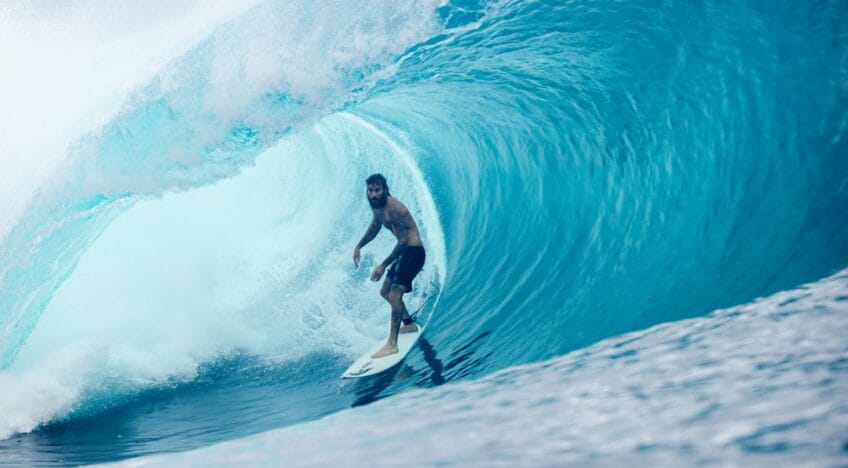
Where are the biggest surf waves in the world
by adm.artemisclick- Uncategorized
- 19 maio
When surfers ask where are the biggest surf waves in the world, they’re usually thinking of places like Pipeline in Hawaii, Nazaré in Portugal, or Mavericks in California. But if you’re looking to combine world-class surfing with something truly unique, you might be overlooking Brazil’s incredible coastline and the opportunity to pair your wave-hunting adventures with intensive Jiu-Jitsu training. Florianópolis has become an unexpected gem for travelers seeking more than just perfect swells—it’s a destination where you can challenge yourself both in the water and on the mat.
The biggest surf waves in the world attract adrenaline junkies, but they don’t always offer the complete lifestyle experience that modern travelers crave. BJJ Surf Experience bridges that gap by creating immersive packages that blend professional surf instruction, daily Jiu-Jitsu classes, and comfortable beachfront accommodation into one cohesive journey. Whether you’re a beginner catching your first waves or an experienced surfer seeking new breaks, this combination transforms a simple vacation into a transformative sports experience where you’re constantly learning and pushing your limits.
Instead of chasing only the most famous breaks, discover how combining training disciplines and cultural immersion creates a richer adventure than any single destination can offer.
Where Are the Biggest Surf Waves in the World
The pursuit of riding the planet’s most massive waves has drawn adventurers, professional athletes, and thrill-seekers for generations. Stretching from Europe’s Atlantic coasts to the Pacific shores of North America and beyond, select locations have achieved legendary status for producing waves that stretch the limits of human capability. These aren’t merely oversized swells—they’re towering aquatic walls exceeding 80 feet, demanding specialized training, equipment, and exceptional mental fortitude to navigate.
Locating these colossal formations requires knowledge of ocean geography, meteorological patterns, seafloor topology, and temporal variations. The planet’s biggest waves don’t emerge haphazardly; they develop under precise conditions involving deep-water swells, coastal formations, and atmospheric systems. For surfers and adventurers seeking world-class conditions, identifying these destinations proves essential for planning an extraordinary expedition.
Nazaré, Portugal: The World’s Largest Waves
Situated along Portugal’s central shoreline, Nazaré commands recognition as the global epicenter for extreme wave riding. This modest fishing community has transformed into a magnet for the world’s most accomplished big wave athletes. The extraordinary formations stem from distinctive underwater architecture—a submarine canyon directing Atlantic swells toward land, intensifying their magnitude and force.
Winter swells between October and February generate heights of 80 to 100 feet or beyond at this location. The primary break creates near-vertical water walls requiring jet ski assistance for access. Garrett McNamara established the world record in 2011 with a 78-foot ride, surpassed in 2013 by another remarkable feat at the identical spot.
Danger and excitement converge at Nazaré through rapid wave approach speeds and treacherous currents. The velocity of incoming swells combined with chaotic water dynamics creates an unpredictable environment. Participants require specialized equipment needed for surfing at this intensity level, including reinforced boards, impact protection vests, and helmets engineered to withstand extreme forces.
Mavericks, California: Ranking Among the Gnarliest Big Wave Spots
Positioned near Half Moon Bay in Northern California, Mavericks surf spot represents one of North America’s most formidable big wave destinations. This break generates some of Earth’s most potent and unpredictable swells, with consistent 50 to 70-foot formations during winter periods. Unlike Nazaré’s characteristics, Mavericks delivers steeper, more vertical descents and more turbulent water dynamics.
Situated roughly two miles offshore in open ocean, the break receives unfiltered Pacific swell energy. Distinctive seafloor formation produces remarkably steep entry angles, permitting paddle-in surfing viability (contrasting with Nazaré’s jet ski requirement). This accessibility has established it as a testing ground where generations of riders have challenged themselves.
International recognition arrived through documentaries and media attention, particularly following tragic incidents that underscored its severity. Frigid Pacific temperatures, powerful currents, and continental shelf proximity demand absolute proficiency and respect. Those who have mastered Mavericks rank among the world’s most elite wave riders.
Top 10 Biggest Wave Locations Globally
Beyond these two premier destinations, locations across the globe produce formidable waves deserving serious attention:
- Pipeline, Hawaii – Though recognized for shorter, more intense waves, Pipeline occasionally reaches 20-30 foot faces and ranks among the most hazardous breaks due to shallow reef composition.
- Teahupo’o, Tahiti – This Polynesian formation generates thick, cylindrical waves reaching 20-30 feet, featuring remarkable barrel sections earning the moniker “The End of the Road.”
- Sunset Beach, Hawaii – Delivers steady 20-40 foot formations during winter swells, with forceful currents and dynamic sandbars producing variable conditions.
- Cloudbreak, Fiji – A deep-water reef formation creating 20-35 foot waves with flawless barrel sections and dependable quality.
- Bells Beach, Australia – Among Earth’s most celebrated big wave breaks, regularly producing 15-25 foot formations during autumn and winter.
- Waimea Bay, Hawaii – Transitions from tranquil swimming area to formidable 25-40 foot break during winter swells.
- Shipstern Bluff, Australia – A secluded Tasmanian formation generating 40-60 foot waves with extraordinarily steep entries.
- Cortes Bank, California – An offshore underwater mountain producing massive, forceful waves reaching 50+ feet during infrequent swells.
- Chicama, Peru – The planet’s lengthiest left-hand formation, producing rides surpassing 2,000 meters.
- Mullaghmore, Ireland – A potent Atlantic break generating 50-70 foot waves during winter tempests.
Ireland’s Massive Waves: Could They Be the World’s Biggest
Ireland’s Atlantic coastline has emerged as an unexpected contender for hosting Earth’s most substantial waves. Locations including Mullaghmore Head in County Sligo and Clare Island have produced formations rivaling renowned big wave destinations. The Irish shoreline faces directly into Atlantic weather systems, receiving unobstructed swells capable of reaching extraordinary proportions.
Mullaghmore particularly has gained prominence among professional big wave athletes recently. The break consistently produces 50-foot formations during winter swells, with certain estimates indicating 70+ foot waves during extreme conditions. Irish breaks offer consistent massive swell availability throughout the Atlantic winter season, October through March.
Conditions at Irish locations differ from tropical alternatives—frigid water demands thick thermal protection and considerable psychological resilience. The Atlantic’s raw intensity creates waves with distinctive characteristics: steep, forceful, and relentless. Numerous world-class athletes have relocated to Ireland specifically for big wave pursuits at these locations, establishing it as a legitimate counterpart to traditional destinations.
The 11 Biggest Waves Ever Surfed in History
Recording the largest waves ever ridden involves examining verified documentation and credible assessments from professional surfing circles:
- 2013 – Garrett McNamara, Nazaré – 78 feet (estimated), surpassing his earlier achievement
- 2011 – Garrett McNamara, Nazaré – 78 feet, the prevailing record at that time
- 2020 – Kai Lenny, Nazaré – 80+ feet (unofficial estimates)
- 2017 – Kai Lenny, Nazaré – 75+ feet during winter conditions
- 2015 – Ross Clarke-Jones, Shipstern Bluff – 60+ feet
- 2009 – Shaun Briley, Mavericks – 68 feet (estimated)
- 2008 – Mark Healey, Teahupo’o – 65+ feet (tow-in)
- 2005 – Twiggy Baker, Mavericks – 61 feet
- 2001 – Peter Mel, Mavericks – 60+ feet
- 1998 – Ross Clarke-Jones, Sunset Beach – 50+ feet
- 1990 – Greg Noll, Pipeline – 35 feet (historically significant, representing the largest wave ridden during the pre-tow-in period)
These achievements illustrate the evolution of big wave surfing technology and methodology. Contemporary jet ski tow-in techniques have permitted access to and survival of previously unrideable formations.
Which Coastlines Experience the Most Violent Waves on Earth
The planet’s most turbulent wave conditions manifest where oceanographic and meteorological elements converge. The North Atlantic, particularly surrounding the British Isles and Portugal, encounters intense wave activity from persistent storm patterns and unrestricted ocean exposure. The North Pacific, especially near Hawaii and California, generates powerful swells originating from Pacific typhoons and winter disturbances.
Southern hemisphere breaks, encompassing locations in Australia, New Zealand, and South Africa, benefit from the roaring forties—potent wind systems producing consistent, forceful swells. Tasmanian waters prove especially notorious for violent, unpredictable circumstances combining immense waves with fierce currents and cold conditions.
Tropical zones like Tahiti and Fiji experience violent formations during cyclone periods, when atmospheric systems generate unusually substantial swells. These circumstances carry inherent unpredictability and ferocity, presenting hazards even for seasoned practitioners. The most violent waves demonstrate common traits: steep entry angles, powerful currents, shallow bottoms or reef composition, and cold temperatures reducing aquatic survival duration.
Best Big Wave Surf Spots Around the World
For riders pursuing big wave experiences without necessarily confronting the absolute largest formations, numerous premier destinations provide outstanding conditions and more achievable progressions:
Hawaii persists as the archetypal big wave destination, featuring breaks including Waimea Bay, Sunset Beach, and Pipeline delivering 20-40 foot formations during winter periods. Dependable swell patterns, established big wave communities, and accessible experienced instruction render Hawaii optimal for advancing big wave proficiency.
California’s Central Coast delivers approachable big wave opportunities at locations like Ocean Beach in San Francisco and Rincon. These breaks regularly produce 20-30 foot formations and host communities of experienced practitioners mentoring newcomers.
Mexico’s Pacific shoreline, particularly surrounding Puerto Escondido, presents potent beach breaks generating 20-30 foot waves. Accessibility and temperate water establish it as an excellent progression area for developing tow-in capabilities.
Australia’s Eastern shoreline encompasses numerous big wave breaks including Sunset Beach (distinct from Hawaii’s namesake), with steady 15-25 foot formations and well-developed big wave communities.
For those integrating big wave pursuits with broader travel, Brazil’s coast near Florianópolis provides smaller yet consistent waves ideal for mastering how to surf essentials while experiencing comprehensive travel. Combining quality formations, warm conditions, and vibrant regional character, Brazil has become an increasingly attractive surf tourism destination.
FAQ
What makes Nazaré waves so exceptionally large?
Nazaré’s remarkable wave magnitude stems from distinctive underwater architecture featuring a submarine canyon directing Atlantic swells toward land. This bathymetric structure concentrates wave energy, transforming 15-20 foot open-ocean swells into 80-100 foot formations at the break. The canyon’s precise proportions and orientation create optimal conditions for energy amplification, while the location’s Atlantic storm exposure guarantees consistent massive swell delivery during winter. Furthermore, the break’s offshore positioning permits swells to preserve their force without energy loss through shallow-water interactions.
How do wave heights compare between major big wave locations?
Wave dimensions fluctuate substantially among premier big wave destinations based on geographic and oceanographic variables. Nazaré and Mullaghmore consistently generate the largest formations, with steady 60-100 foot faces. Mavericks, Shipstern Bluff, and Cortes Bank typically produce 50-70 foot waves. Hawaiian breaks including Sunset Beach and Waimea Bay generate 25-40 foot formations during winter periods, whereas tropical destinations like Teahupo’o and Cloudbreak create 20-35 foot waves. These variations reflect differences in swell origin zones, seafloor composition, and coastal orientation. Northern hemisphere Atlantic breaks generally exceed Pacific breaks in magnitude due to more powerful storm systems and superior underwater geography for energy concentration.
What are the conditions required for generating the world’s biggest waves?
Generating Earth’s most substantial waves demands convergence of multiple elements: potent storm systems producing enormous swells, typically originating in deep ocean far from land; underwater formations amplifying height without dissipating force; coastal architecture concentrating and directing wave energy; and adequate offshore distance permitting swell coherence and strength preservation. Favorable wind alignment with swell direction prevents deterioration. Seasonal timing proves critical—most big wave locations experience peak activity during winter months in their respective hemispheres when storm intensity peaks. Water depth, reef or seafloor composition, and current dynamics additionally influence whether waves achieve maximum potential dimensions and rideability.
Which surfers have tackled the biggest waves ever recorded?
Garrett McNamara achieved legendary recognition by establishing multiple Nazaré records, including the 2011 achievement of 78 feet. Kai Lenny has emerged as a preeminent contemporary big wave athlete, with numerous 75+ foot accomplishments at Nazaré and achievements spanning multiple premier breaks globally. Ross Clarke-Jones, a pioneering figure in extreme wave riding, has conquered massive formations at Shipstern Bluff and elsewhere. Additional notable practitioners encompass Mark Healey, distinguished for Teahupo’o and Mavericks performances; Peter Mel, a Mavericks specialist; and Greg Noll, an iconic figure who rode the historic 35-foot formation at Pipeline in 1969. Contemporary athletes including Justine Dupont, Benjamin Sanchis, and Kai Lenny persist in advancing boundaries at destinations worldwide.
Are there undiscovered locations with bigger waves than known spots?
Although most significant big wave breaks have undergone discovery and documentation, undiscovered locations harboring exceptionally large formations remain possible. Remote coastlines in Southeast Asia, the South Pacific, and southern Africa remain comparatively unexplored by big wave practitioners. Seafloor mapping and satellite technology have identified potential breaks in previously inaccessible zones, though on-site confirmation demands direct exploration. Nevertheless, the prerequisites for generating Earth’s most substantial waves—specific submarine canyon formations, unobstructed swell exposure, and favorable coastal geometry—remain relatively uncommon. Most locations satisfying these specifications have likely undergone discovery, though smaller breaks suitable for big wave development may exist in lesser-explored regions. Climate shifts and evolving weather patterns could potentially establish novel big wave opportunities in previously marginal zones.